Your AI Project Didn’t Work. Do You Know Why?
Consider the benefits of a third-party post-mortem. Seriously.
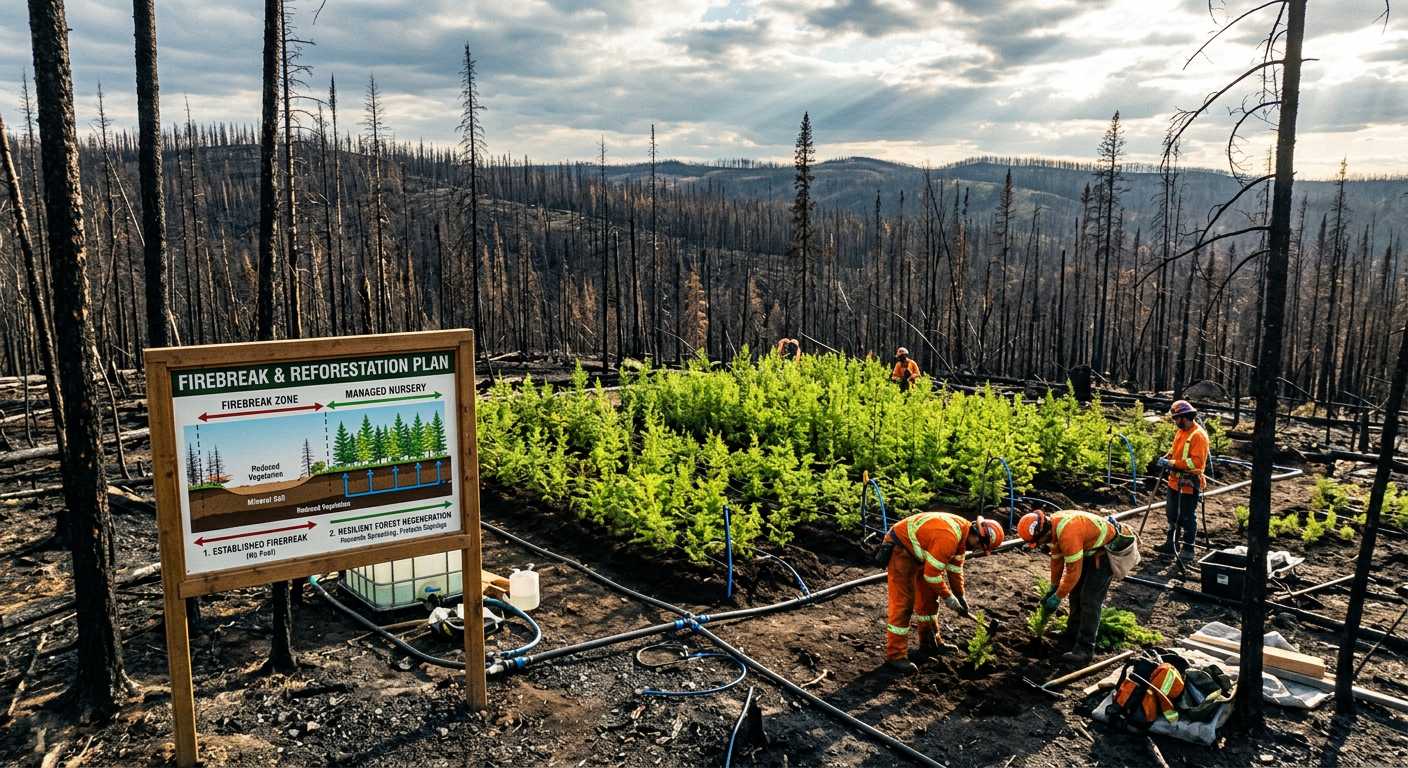
Cultivating resilience: New growth begins where the old lessons were learned.
Most organizations that walk away from a failed AI initiative make the same mistake twice: they move on without understanding what went wrong.
It's understandable. The project already cost time, money, and internal credibility. The last thing anyone wants is to spend more resources examining a failure. But that instinct, closing the chapter and moving on, is exactly what leads to the same problems showing up in the next attempt.
The Pattern We Keep Seeing
Here's what typically happens. An organization invests in an AI initiative. Maybe a recommendation engine, an internal knowledge system, or an automation pipeline. Six months in, the project stalls. The vendor blames the data. The internal team blames the vendor. Leadership pulls the plug and everyone agrees to "revisit AI next year."
When next year comes, a new vendor pitches a new approach. It sounds different enough to feel like a fresh start. But underneath, the same structural problems are waiting: unclear success criteria, underestimated data complexity, misalignment between what the business needs and what the technical team built.
This cycle is expensive. And it's avoidable.
Why Internal Reviews Fall Short
Some organizations do attempt a post-mortem after a failed AI project. But when the people who built it are the same people reviewing it, the analysis has natural blind spots.
This isn't about blame or competence. It's human nature. Teams that lived inside a project for months have assumptions baked so deeply into their thinking that they can't see them anymore. They know what they intended the architecture to do. They know why they made certain tradeoffs. What they can't see is where those intentions diverged from reality. They were too close to the work.
An internal review tends to surface symptoms: the model wasn't accurate enough, the data was messy, the timeline was too aggressive. Real observations, sure. But rarely root causes.
What an Independent Post-Mortem Actually Uncovers
An independent third party brings something no internal team can: fresh eyes with deep expertise and no attachment to the decisions that were already made.
A good AI post-mortem goes beyond "what happened." It answers three questions that actually matter for your next initiative:
1. Was this the right problem to solve with AI? Not everything that looks like an AI problem is one. Sometimes the real issue is a data pipeline problem, a process design problem, or something better solved with straightforward automation. An independent review can make this call without the sunk-cost bias that affects everyone who was involved in the original decision.
2. Where did the technical approach break down? AI projects fail for specific, diagnosable reasons. Was the training data representative of production conditions? Was the problem framed correctly for the chosen model architecture? Were the evaluation metrics aligned with actual business outcomes? Answering these requires genuine depth. A surface-level review produces surface-level answers.
3. What needs to be true for the next attempt to succeed? This is the question that makes the investment worthwhile. A post-mortem isn't an autopsy. It's a blueprint. What data needs to exist, and in what form? What does the team need to look like? What are the realistic milestones and decision points? An independent assessment can lay this out clearly because they're designing for what works, not defending what was already tried.
The Cost of Skipping This Step
Consider the math. If your failed AI initiative cost $200,000 (a conservative number for a mid-market project) and you start a new one without understanding why the first one failed, you're betting another $200,000 that the problems were circumstantial rather than structural.
Sometimes they are circumstantial. More often, they're not.
The research supports this. Industry data shows 42% of organizations abandoned most of their AI initiatives in 2025. The majority of generative AI pilots never reach production impact. These aren't isolated failures. They're patterns. And patterns have identifiable causes.
A post-mortem that costs a fraction of the original project can save you from repeating the full cost of failure. And it gives your team and your leadership something harder to quantify but just as valuable: confidence that the next initiative is built on solid ground, not optimism.
What to Look for in a Post-Mortem Partner
Not every consultant can do this well. Here's what matters:
Research-grade diagnostic ability. The person reviewing your project needs to understand AI systems at a fundamental level. Not just how to use tools, but why certain approaches fail under certain conditions. There's a real difference between someone who can identify that your model underperformed and someone who can tell you why it underperformed and what architectural decision caused it.
Cross-scale experience. AI fails differently at different organizational scales. Someone who's only worked with startups won't understand the integration challenges of enterprise systems. Someone who's only worked with Fortune 500 firms won't understand the resource constraints of a growing company. You want someone who's seen both ends.
Honesty over billable hours. The post-mortem partner should be willing to tell you that your next AI project shouldn't be an AI project at all. If the assessment is designed to generate follow-on work rather than genuine insight, that's not an assessment. It's a sales pitch.
Moving Forward
If your organization has shelved an AI initiative, or is watching one struggle right now, the worst thing you can do is nothing. The second worst is starting over without learning from what happened.
An independent post-mortem turns a failed investment into a clear path forward. It's a small step, but it changes the odds for everything that comes after.
You can afford the post-mortem. The question is whether you can afford to skip it.