Why Your AI Vendor's Demo Looked Great … and Their Delivery Didn't
Here are three main reasons this happens, and how to avoid it in the future.
You've seen it happen.
Maybe more than once.
A vendor walks into the room with a demo that does exactly what you need. The model works. The interface is clean. The use case maps perfectly to your business problem. Three months later, the project is stalled, the timeline has doubled, and the vendor is explaining why production is "more complex than expected."
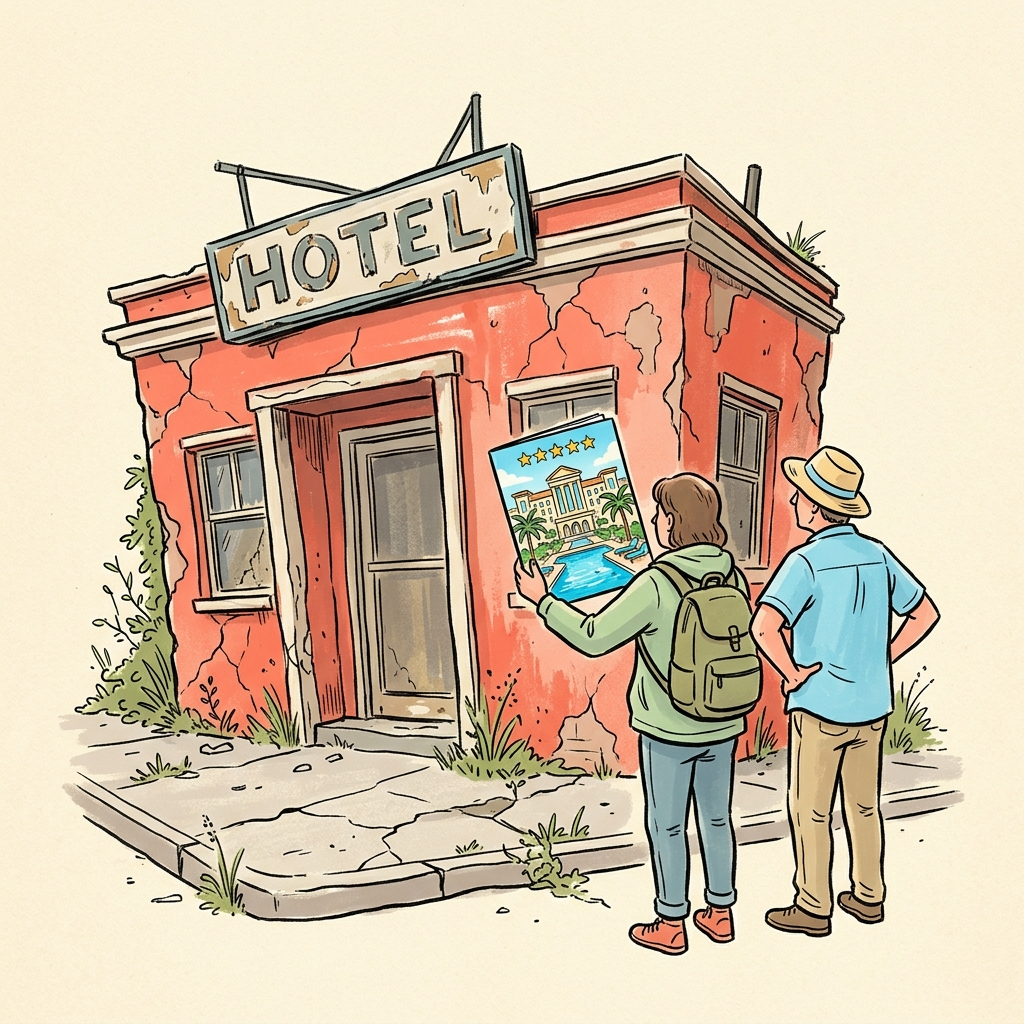
You're not imagining things. The gap between demo and delivery is one of the most predictable failure patterns in AI projects. Understanding why it happens is the difference between choosing your next vendor wisely and repeating the same expensive lesson.
The Demo Is Designed to Impress, Not to Ship
The part nobody mentions during the sales process: a demo is a controlled environment. The data is curated. The edge cases are removed. The model is tuned to perform well on a narrow set of inputs that map perfectly to the story the vendor wants to tell.
None of that is dishonest, exactly. It's how demos work in every industry. But AI has a unique problem that makes the demo-to-production gap wider than most buyers realize.
In traditional software, what you see in a demo is roughly what you get. The interface might change, the features might shift, but the underlying mechanics are the same. In AI, the demo and the production system can be fundamentally different things. A model that performs at 95% accuracy on a curated dataset might drop to 70% on your real-world data. And 70% accuracy in production isn't a minor gap. It's the difference between a useful system and an expensive distraction.
Three Structural Reasons Demos Don't Translate
This isn't about bad vendors. Some of the firms that demo beautifully are genuinely talented teams. The problem is structural.
1. Your data isn't their data.
The demo ran on clean, well-labeled, representative data. Your data has gaps, inconsistencies, legacy formats, and domain-specific edge cases that nobody mentioned during the sales cycle because nobody asked the right questions. The vendor assumed your data would look like their training data. It doesn't. It never does.
This is where most projects hit their first real delay. The vendor scopes two weeks for data integration and spends two months discovering that your actual data environment looks nothing like what they planned for.
2. Production requirements were never part of the conversation.
A demo doesn't need to handle latency constraints, concurrent users, security requirements, system integrations, or graceful failure modes. Production does. These aren't minor implementation details. They're architectural decisions that should shape the entire system design from day one.
When a vendor builds the demo first and worries about production later, they're often building on a foundation that can't support what comes next. Retrofitting a demo into a production system is like renovating a house by starting with the wallpaper. At some point you have to deal with the plumbing, and by then, everything built on top is at risk.
3. The team that sold you isn't the team that builds it.
This one is particularly common with larger firms, but it happens at boutiques too. The senior architect who diagnosed your problem in the sales process hands off to a more junior team for delivery. That team is capable, but they weren't in the room when the nuances of your business were discussed. They're working from a scope document, not from understanding.
The result is technically competent work that misses the point. The model works. It just doesn't solve the problem you actually have.
What Buyers Miss During Evaluation
If you've been through this cycle, you might think the answer is better due diligence. Ask more questions. Check more references. That helps, but most evaluation processes focus on the wrong signals.
Buyers tend to evaluate what a vendor can build. The better question is how they build it.
Ask about their diagnostic process before any code is written. How do they assess whether your data can support the proposed solution? What happens when they discover it can't? Do they have a prototyping phase that uses your actual data, or do they go straight from demo to development? What does their team structure look like, and will the people in the room today be the people building tomorrow?
The answers to these questions tell you more than any demo ever will. A vendor who has a thoughtful diagnostic process, who builds with your real data early, and who keeps senior talent through delivery is structurally less likely to hit the demo-to-production wall. Their process is designed to surface problems before those problems become expensive.
The Diagnostic Step Most Vendors Skip
There's a phase that belongs between "this looks promising" and "let's build it" that most AI engagements skip entirely: an honest assessment of whether the proposed solution will work with your specific data, in your specific environment, for your specific use case.
This isn't a proof of concept. A POC is typically designed to prove the vendor's approach works. A diagnostic assessment is designed to find out whether it will. The difference matters. One is built to succeed. The other is built to tell the truth.
A proper diagnostic answers the questions that should have been asked before the contract was signed: Is the data sufficient? Is the problem well-framed? Are the success metrics aligned with what the business actually needs? What are the real risks, and what would mitigation look like?
When this step gets skipped, the entire project becomes the diagnostic. You're paying production prices for discovery work. By the time the real challenges surface, there's too much momentum and too much spend to change course easily.
Choosing Differently Next Time
If your last AI vendor delivered a great demo and a disappointing project, you're in good company. The pattern is common enough that it's become one of the primary reasons organizations develop AI skepticism. The problem isn't that AI doesn't work. It's that the way AI is sold doesn't match the way it needs to be built.
The organizations that break this cycle change how they buy. They insist on a diagnostic phase with real data before committing to a full build. They keep senior talent accountable through delivery, not just sales. And they ask the uncomfortable question early: what happens when this doesn't work as well as the demo?